KAKOBUY Spreadsheet: Identifying Seasonal Trends in Limited Edition Items





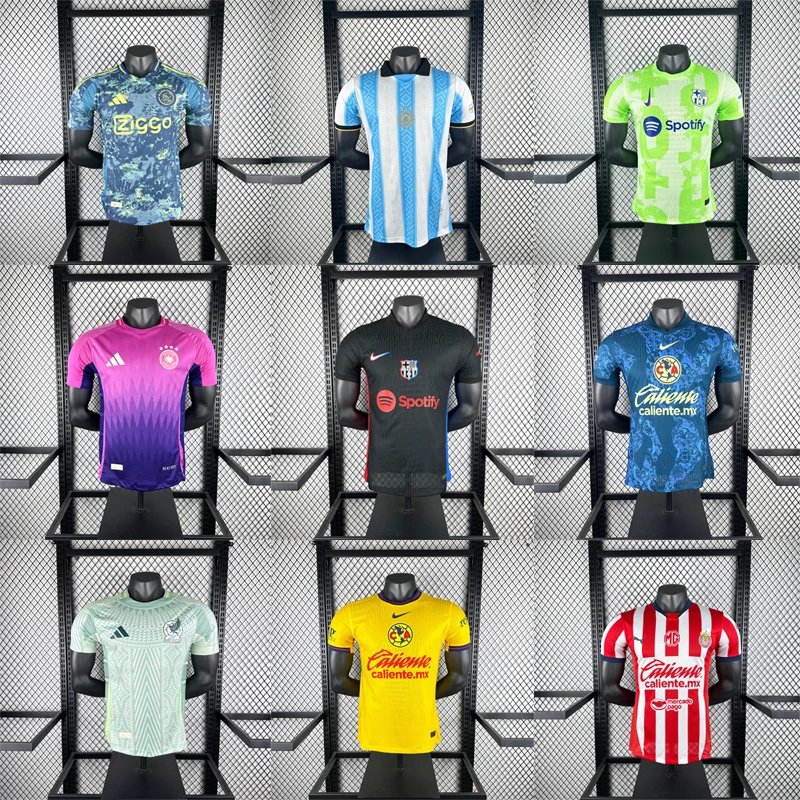





In the fast-paced world of collectibles and limited edition items, anticipating market movements is the key to smart buying and selling. The KAKOBUY Spreadsheet, a powerful tool utilizing historical sales and shipping data, empowers users to decode seasonal patterns and make data-driven decisions.
The Power of Historical Sales Data
The core functionality of the KAKOBUY Spreadsheet lies in its systematic analysis of past transactions. By inputting and tracking historical sales data for specific items—such as sale price, date sold, and item condition—clear patterns begin to emerge.
- Demand Spikes:
- Price Floors and Ceilings:
Analyzing Shipping Data for Cost Forecasting
Beyond the item's price, the total cost of acquisition is heavily influenced by logistics. The KAKOBUY Spreadsheet allows you to track historical shipping costs from key regions.
- Seasonal Surcharges:
- Transit Time Trends:
A Practical Application: Anticipating the Q4 Spike
Imagine you specialize in limited edition designer toys. By reviewing your KAKOBUY Spreadsheet from previous years, you might observe:
- September:
- Early October:
- Late November to December:
- Early October:
Armed with this trend, you can strategically list items in early October, secure inventory before major shipping delays, and factor higher logistic costs into your pricing model.
Building Your Competitive Edge
The KAKOBUY Spreadsheet transforms reactive guessing into proactive strategy. By consistently logging data and reviewing seasonal charts, you learn to:
- Purchase backup stock during off-season lulls when prices are lower.
- Time your listings to coincide with rising market demand.
- Provide accurate shipping estimates and cost forecasts to buyers.
- Ultimately, maximize profit and minimize risk on every limited edition item you handle.
In the niche market of limited editions, information is currency. The KAKOBUY Spreadsheet provides you with the mint to print it yourself.